· Adam Wynne · Energy & Infrastructure · 3 min read
Data Centers Go Green: Inside the Sustainable AI Computing Rush
The AI revolution is fundamentally restructuring grid demand patterns as hyperscale data centers race toward sustainable computing infrastructure. This isn't just about ESG compliance - it's operational necessity.
TL;DR: AI is transforming data centers from passive power consumers into active grid participants. The race to sustainable AI computing isn’t driven by ESG mandates—it’s driven by physics, economics, and the sheer impossibility of powering modern AI infrastructure with yesterday’s energy models.
The numbers tell the story
GPU power consumption has jumped from 400 watts in 2022 to 700 watts in 2023, with 2024 chips hitting 1,200 watts. Some AI racks now demand over 150 kW—compared to traditional 3-5 kW racks.
Traditional infrastructure simply can’t handle this. Lead times for power connections now exceed three years, and equipment shortages are creating two-year delays for transformers.
This constraint is forcing a complete reimagining of how we build and power computing infrastructure.
Three Shifts Defining the Future of AI Infrastructure
1. From Grid Consumers to Grid Partners The old model: data centers consume power, period. The new model: data centers become active participants in grid management. AI operators are discovering that their massive, flexible computing workloads can actually help stabilize grids—potentially earning revenue through demand response programs while reducing energy costs.
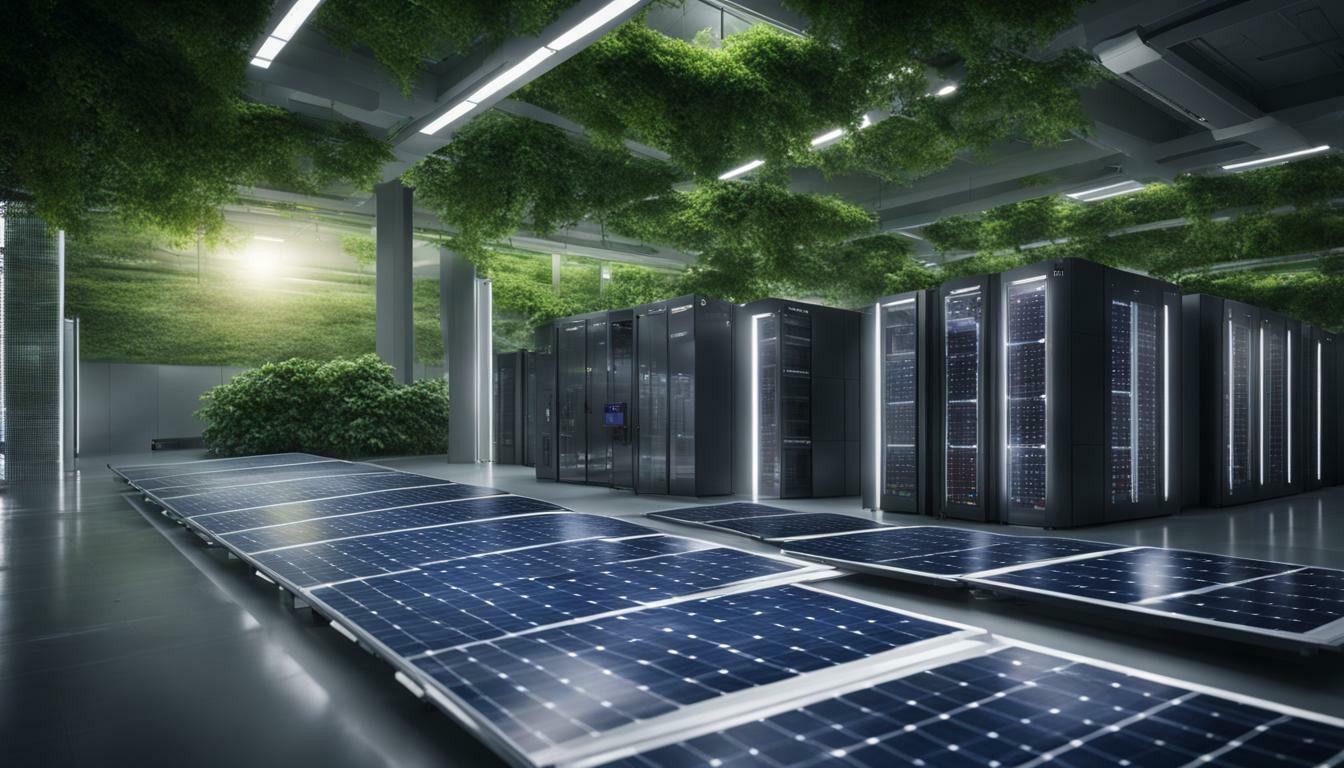
2. Building Where the Clean Energy Is Instead of building data centers near cities and importing dirty power, the industry is flipping the model: build directly next to renewable generation. Data centers are now going up adjacent to solar farms and wind installations, cutting transmission losses, reducing costs, and locking in clean energy at the source.
3. AI Training as Flexible Load Here’s the unlock: AI training workloads are time-flexible. A model that takes 48 hours to train doesn’t care whether it runs Monday afternoon or Tuesday at 3 AM. This flexibility transforms AI data centers into valuable grid assets—they can shift massive computing loads to match renewable generation patterns, earning revenue through demand response programs while helping stabilize the grid during peak periods.
Key Takeaways
- Physics is forcing change: AI infrastructure has outgrown traditional data center models—sustainability isn’t a nice-to-have, it’s a survival requirement
- Clean energy co-location is the new standard: Building where renewables are generated is cheaper, cleaner, and more reliable than importing power
- AI workloads stabilize grids: Time-flexible AI training creates a new class of grid asset that can earn revenue while supporting renewable integration
Source: SiliconANGLE - “Sustainable AI computing: Rewiring the data center race”
Note: Articles like this represent the kind of analysis GridPulse is being built to deliver, AI-powered intelligence that identifies emerging trends at the intersection of energy, climate, and technology. The platform will analyze energy sector developments to surface the insights that matter most to grid operators, analysts, and decision-makers.